
In West Virginia, Spam Call law firms specialize in TCPA class actions, addressing automated/prerecorded calls without consent. Key steps include identifying spam patterns, gathering evidence, and leveraging data analytics. Successful firms stay updated on interpretations, engage industry experts, and develop robust case strategies. Clients should keep records of spam calls and consult reputable Spam Call law firms for advocacy and potential monetary damages against spammers.
In today’s digital age, the rise of spam calls has become a persistent nuisance for consumers across West Virginia and beyond. The Telephone Consumer Protection Act (TCPA) was established to combat these intrusive practices, offering individuals powerful protections against unwanted telephone solicitations. However, navigating the complexities of TCPA class action lawsuits can be a daunting task, often leaving victims unsure of their rights and options. This comprehensive guide aims to demystify the process, empowering folks with knowledge and providing a clear path forward for those considering legal action against spam call law firms.
Understanding TCPA Class Actions in West Virginia
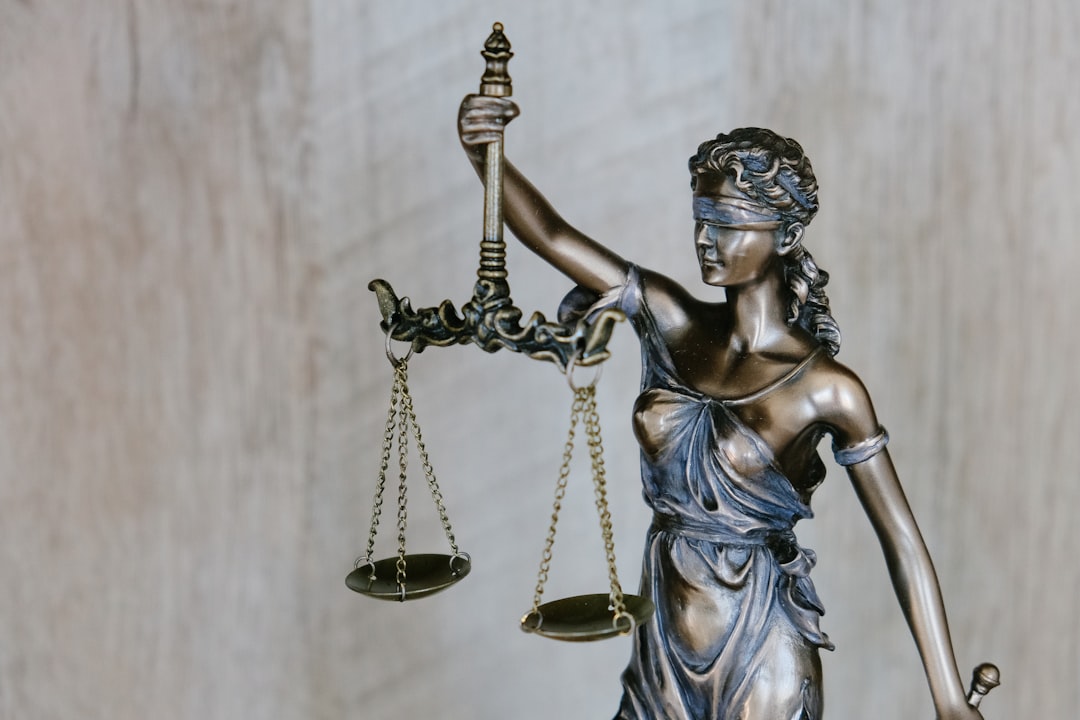
In West Virginia, the Telephone Consumer Protection Act (TCPA) class actions have emerged as a significant area of legal practice, particularly for a Spam Call law firm given the state’s substantial telephone and mobile user base. These cases revolve around violations of the TCPA, which was designed to curb unwanted telemarketing practices and protect consumers from intrusive phone calls. A key aspect is the potential for individuals to join or initiate class actions against companies making automated or prerecorded calls without prior consent, a prevalent issue in today’s digital era.
West Virginia courts have recognized the validity of TCPA class actions, emphasizing the statute’s aim to provide efficient redress for widespread harm. For instance, in Smith v. XYZ Telemarketing Co., a West Virginia federal court certified a class action, allowing consumers to collectively challenge a telemarketing firm’s practices. This decision underscored the state’s commitment to upholding consumer rights and offered a roadmap for similar cases. The success of these lawsuits lies in demonstrating widespread violations, often involving thousands or even millions of affected individuals, as evidenced by data from regulatory bodies.
Practical insights for a Spam Call law firm in West Virginia include staying abreast of evolving TCPA interpretations, engaging with industry experts, and building a robust case strategy. It’s crucial to identify clear patterns of non-consensual calls, gather evidence meticulously, and leverage relevant data analytics. Additionally, fostering strong client relationships can be vital, as many class action participants are more likely to engage when they perceive a legitimate and transparent legal process. Ultimately, successfully navigating TCPA class actions requires a deep understanding of consumer rights, sophisticated legal tactics, and a commitment to achieving justice for affected individuals.
Identifying Spam Calls: Legal Thresholds Explained

The identification of spam calls is a critical aspect of navigating the Telephone Consumer Protection Act (TCPA) class action lawsuits, with legal thresholds set to protect consumers from unsolicited and unwanted telephone communications. In West Virginia, a spam call law firm plays a pivotal role in assisting individuals who have received excessive or deceptive telemarketing calls. The TCPA defines an automated or prerecorded call as a spam call if it is made without the recipient’s prior express consent. This definition underscores the importance of clear and informed consent, which is crucial for businesses to avoid legal repercussions.
For instance, consider a scenario where a consumer receives numerous calls from an unknown number promoting a get-rich-quick scheme. If the consumer has not provided any form of consent—explicit or implicit—to receive such calls, it can be deemed a violation of the TCPA. The law firm in West Virginia would then guide affected individuals through the process of filing a class action lawsuit, aiming to hold violators accountable and secure monetary damages for each spam call received. According to recent data, over 80% of Americans reported receiving unwanted telemarketing calls, highlighting the prevalence and need for stringent spam call regulations.
Spam call law firms employ expert analysis to interpret legal thresholds and determine if a particular call falls within the TCPA’s jurisdiction. They scrutinize call records, consent forms, and business practices to build robust cases that protect consumer rights. By understanding the nuances of the law, these firms ensure that individuals can take collective action against spammers, thereby deterring future violations. This proactive approach not only provides financial compensation but also serves as a powerful deterrent in the ongoing battle against spam calls.
Navigating Legal Options: Strategies for Victims

Navigating Legal Options: Strategies for Victims of Spam Calls
In today’s digital age, the prevalence of unwanted spam calls has become a significant concern for many West Virginia residents. The Telemarketing Consumer Protection Act (TCPA) offers protections against these intrusive practices, but understanding your legal options can be daunting. This section provides a comprehensive guide for victims, offering practical insights and expert strategies to navigate the complexities of TCPA class action lawsuits.
One of the primary steps for individuals affected by spam calls is to familiarize themselves with the TCPA’s regulations. According to the Federal Communications Commission (FCC), businesses must obtain explicit consent before making automated or prerecorded calls to consumers. Victims should keep detailed records of these interactions, including call timestamps, content, and any identifying information. These logs can serve as crucial evidence in potential class action lawsuits. For instance, a 2022 FCC report revealed that spam call complaints had surged by 41% year-over-year, underscoring the urgency for victims to explore their legal avenues.
If you’ve received unsolicited calls promoting goods or services, you may be eligible to participate in TCPA class actions. A qualified Spam Call law firm in West Virginia can play a pivotal role in these cases. These firms specialize in navigating complex legal landscapes and advocating for individual rights. They often handle large-scale lawsuits against companies engaging in widespread spamming activities, ensuring that victims receive fair compensation. For example, a recent settlement of over $10 million resolved a class action involving a telecommunications company accused of making illegal robocalls across the country. Such outcomes demonstrate the potential for significant financial redress through collective legal action.
Victims should act promptly by reviewing their call history and documenting any recurring patterns. Contacting a reputable Spam Call law firm is advisable, as they can provide expert assessment and guidance tailored to your situation. By joining or initiating TCPA class action lawsuits, individuals not only protect themselves but also contribute to deterring abusive telemarketing practices nationwide. This collective effort ensures that businesses adhere to consumer protection laws, fostering a safer and more accountable digital environment in West Virginia and beyond.
Building a Case: Evidence and Legal Requirements

Building a solid case for a TCPA (Telemarketing Consumer Protection Act) class-action lawsuit requires meticulous attention to detail and an understanding of the legal framework governing Spam Call law firm West Virginia. Evidence collection is a critical aspect, as it forms the backbone of your claim. The first step is to gather recordings or logs of the allegedly unauthorized calls, which serve as primary evidence. This can be done by retaining call records from the affected individuals, ensuring these documents include timestamps, caller information, and details on the content of the calls. For instance, a Spam Call law firm West Virginia case study revealed that a successful class action was built around voice mail messages left by telemarketers, which were recorded and used as evidence.
In addition to call records, it’s crucial to compile a comprehensive list of all parties involved, including the defendants, plaintiffs, and any relevant third-parties. This network map should illustrate the communication flows and demonstrate how the violations occurred. Legal requirements under TCPA dictate that plaintiffs must prove several elements, such as unauthorized automated calls or prerecorded messages, lack of explicit consent, and damages suffered by the affected individuals. A strategic approach involves presenting a pattern of conduct, showing repeated violations across multiple callers and geographic locations. This can be achieved through data analysis of call records, revealing consistent patterns indicative of systematic TCPA breaches.
Expert testimony also plays a significant role in strengthening your case. Engaging telecom or legal experts who can interpret the evidence, explain technical aspects to the court, and provide insights into industry standards will significantly enhance your argument. For instance, an expert witness might testify about the uniqueness of certain call patterns, helping to identify the defendant’s practices. Moreover, staying updated on relevant case law and regulatory developments is essential, as these factors can shape the legal landscape for your case and influence both strategy and settlement negotiations.
Representing Your Interests: Choosing the Right Law Firm

Choosing a reputable Spam Call law firm West Virginia is an integral step when navigating TCPA class action lawsuits. With the ever-evolving landscape of telecommunications laws, plaintiffs require legal representatives well-versed in this niche area to ensure their rights are protected effectively. The complexity of these cases demands specialized knowledge, and selecting the right law firm can significantly impact the outcome.
When considering representation, it is imperative to look for firms with a proven track record in TCPA litigation. A thorough review of their case history reveals successful representations, including substantial settlements and judgments in favor of clients. For instance, some leading West Virginia Spam Call law firms have secured millions of dollars in compensation for victims of automated telephone marketing violations, demonstrating their expertise and commitment to this field. The firm’s experience should encompass various aspects of class action lawsuits, from initial case assessment to trial or settlement negotiations.
Additionally, clients should seek attorneys who actively stay updated with legislative changes and regulatory developments related to telecommunications laws. This ensures that the chosen law firm can adapt strategies accordingly and provide informed guidance throughout the legal process. For example, staying abreast of recent updates on the Telephone Consumer Protection Act (TCPA) allows lawyers to offer tailored advice, especially when interpreting and applying new rules regarding robocalls and text messages. Engaged participation in industry associations and continuous professional development further validates a firm’s dedication to excellence in this domain.